Introduction:
Arsenal Football Club, one of the giants of English football, has a storied history marked by periods of dominance and transition. Throughout the years, the club has undergone various tactical evolutions under different managers, each leaving their unique imprint on the team’s style of play. In this comprehensive analysis, we delve into the evolution of Arsenal’s tactics, tracing the journey from their traditional strengths to the modern adaptations that define the club’s identity today.
If you want to watch live football matches on your phone or computer, you should visit Socolive TV. This is the world’s Largest football Match Online Live Streaming website.
The Wenger Era: Total Football and Invincibility
Under the stewardship of Arsène Wenger, Arsenal experienced a golden period characterized by a brand of football known for its attacking flair, intricate passing, and emphasis on technical proficiency. Wenger’s teams epitomized the principles of Total Football, with an emphasis on fluidity, positional interchange, and attractive attacking play.
During the late 1990s and early 2000s, Arsenal’s tactical approach revolved around the iconic 4-4-2 formation, with a focus on possession-based football and quick transitions. The likes of Patrick Vieira and Emmanuel Petit provided a solid foundation in midfield, while Thierry Henry spearheaded the attack with his blistering pace and clinical finishing.
The crowning achievement of Wenger’s reign came in the 2003-2004 season when Arsenal achieved the remarkable feat of going unbeaten in the Premier League, earning the nickname “The Invincibles.” This team combined defensive solidity with attacking prowess, showcasing Wenger’s tactical astuteness and ability to blend individual talents into a cohesive unit.
Transition Period: Adaptation and Challenges
Following Wenger’s departure in 2018 after 22 years at the helm, Arsenal faced a period of transition as they sought to redefine their identity under new management. Unai Emery and later Mikel Arteta were tasked with revitalizing the team and instilling a new tactical philosophy while contending with the challenges of a highly competitive Premier League landscape.
Under Emery, Arsenal experimented with different formations and tactical setups, albeit with mixed results. The Spanish coach favored a pragmatic approach at times, prioritizing defensive solidity and counter-attacking opportunities. However, inconsistencies in performance and a lack of clear identity on the pitch led to his eventual departure.
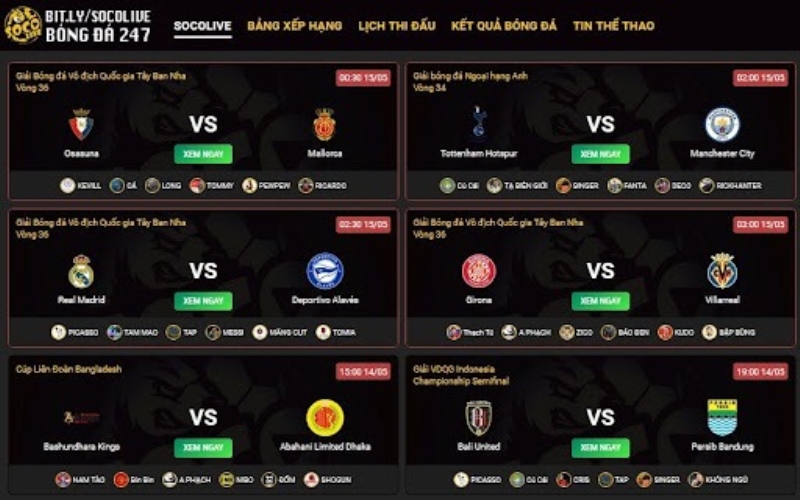
All Football Lovers enjoy live football matches with the highest quality of service. Socolive TV channel broadcasts all major football tournaments like Champions League and Premier League for free. Stay with Trực tiếp bóng đá Socolive to discover how exciting this platform can be to watch live football matches on your phone or computer at home.
The Arteta Revolution: A Modern Identity Emerges
Mikel Arteta’s appointment as Arsenal manager heralded a new era defined by a commitment to progressive, possession-based football and tactical versatility. Drawing inspiration from his mentor, Pep Guardiola, Arteta sought to implement a high-pressing game, positional play, and structured build-up from the back.
Central to Arteta’s tactical blueprint is the adoption of a fluid 4-2-3-1 formation, with an emphasis on positional rotations, quick passing, and collective pressing. The midfield duo of Granit Xhaka and Thomas Partey provide stability and distribution, while creative players like Bukayo Saka and Emile Smith Rowe offer dynamism and ingenuity in the final third.
Defensively, Arsenal have become more organized and disciplined under Arteta’s guidance, with an emphasis on defensive solidity and compactness without the ball. The introduction of a proactive pressing system has enabled Arsenal to regain possession quickly and disrupt opposition build-up play.
Looking Ahead: Challenges and Opportunities
As Arsenal continue their journey under Mikel Arteta, challenges and opportunities lie ahead on the path to sustained success. The evolution of tactics is a continuous process, and the ability to adapt to different opponents, overcome tactical obstacles, and maximize the potential of individual players will be crucial in Arsenal’s quest for silverware.
Conclusion:
From the Total Football of the Wenger era to the modern adaptations under Mikel Arteta, the evolution of Arsenal’s tactics reflects the club’s rich heritage and commitment to progressive football. While challenges persist, the emergence of a new tactical identity offers hope for a bright future, as Arsenal seek to reclaim their status as one of English football’s elite teams.